
 Protein
 NAD+ & Longevity
 Collagen & Beauty
 Hydration & Electrolytes
 Gummies
 Cardio & Metabolic
 Vision & Eye
 Weight Management
 Pain, Joint & Recovery
 Hormonal & Vitality
 Brain & Focus
 Detox & Cleanse
 Digestive Balance
 Energy & Metabolism
 Immune Support
 Joint & Mobility
 Skin, Hair & Beauty
 Sleep & Stress
 Mood & Sleep Harmony Bundle
 Respiratory Health Bundle
 Bio-Hack Performance Bundle
 Brain Health Bundle
 Detox & Energy Bundle
 Digestion Support Bundle
 Heart & Circulation Bundle
 Immunity Support Bundle
 Liver Wellness Bundle
 Longevity & Cellular Repair Bundle
 Metabolism Support Bundle
 Mood & Sleep Harmony Bundle
 Morning Brew Bundle
 Mushroom Immunity Bundle
 Natural Detox Bundle
 Radiant Skin Bundle
 Respiratory Health Bundle
 Workout Recovery Bundle
 VitaTherx Wellness Welcome Kit










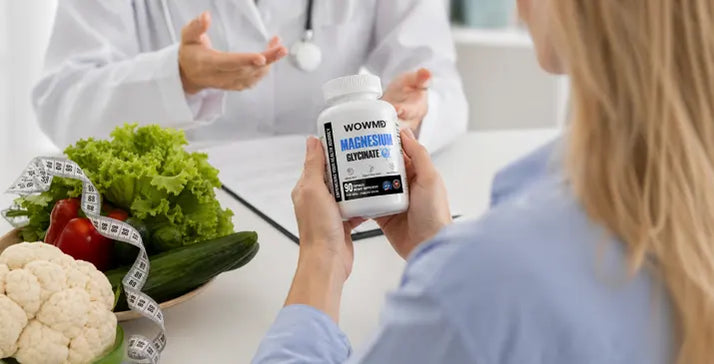
The Best Magnesium for Brain Health: What the Science Actually Says
From improving memory to easing brain fog, the right magnesium form makes a difference. See which type fits your needs and how to use it for lasting cognitive benefits.

 Fact Checked
Advertiser Disclosure: VitaTherx independently vets all recommended products. If you purchase a featured product, we may be compensated. Learn why you can trust us.
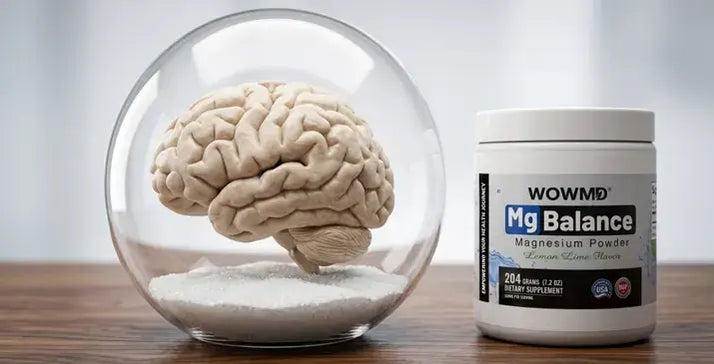
What is the best magnesium for brain health, and can it truly improve cognition � or is it just another overhyped supplement trend?
The short answer: certain forms of magnesium do tend to support brain function, with magnesium L-threonate standing out as the most researched option.
Clinical Psychologist Maxim Von Sabler says, �Of the available forms, magnesium L-threonate is the one most specifically studied for cognitive outcomes because it crosses the blood-brain barrier more effectively than other forms�.
�If the goal is more broad neurologic support with better tolerance, glycinate is a practical option�, says Vasilios Nenos, Chiropractic Neurologist.
Together, these forms highlight how targeted magnesium supplementation can play a meaningful role in supporting cognitive function, especially for those dealing with brain fog.
In this guide, we�ll break down the science behind magnesium�s role in brain health, explore which forms are best for memory and focus, and provide practical dosage and supplement selection tips.
You�ll also discover how trusted brands like VitaTherx offer high-quality, science-backed magnesium supplements designed to support cognitive performance and overall well-being.
TL;DR
- Magnesium supports brain function by improving memory, focus, and overall cognitive performance.
- Magnesium L-threonate stands out for crossing the blood-brain barrier and directly supporting brain cells.
- Magnesium glycinate helps with stress, sleep, and nervous system balance, which also impacts cognition.
- Low magnesium levels can contribute to brain fog, poor focus, and mental fatigue.
- Consistent daily use, along with good sleep and nutrition, is key to noticeable cognitive benefits.
Why Magnesium Is Essential for Brain Health and Cognitive Function
When people search for the best magnesium for brain health, what they�re really asking is: why does magnesium matter so much for the brain in the first place? The answer lies in how deeply this mineral is embedded in neurological function.
Dr. Lauren Williams, Psychiatrist, says, �In my opinion magnesium has a role in the brain due to its effects on the nerves, stress, sleep, tightness of the muscles and is not necessarily a cognitive booster as we often consider things in psychiatry but more of a nerve support that can secondarily help the cognitive processes if sleep, tightness and or anxiety are issues.�
Studies show magnesium is involved in over 300 enzymatic reactions in the body, many of which directly influence cognitive function, including energy production, neurotransmitter balance, and nerve signaling. Thus, sufficient levels of magnesium and cognitive function may go hand-in-hand.
One of its most critical roles is regulating NMDA receptors�key glutamate receptors responsible for learning and memory.
A 2020 experimental study published in Molecular Neurobiology found that magnesium not only helps control NMDA receptor activity but also acts as a second messenger in neurons, supporting NMDA receptor-mediated CREB signaling. This pathway is closely tied to synaptic plasticity, the process that allows neurons to strengthen communication and helps the brain form and retain memories.
Without adequate magnesium, this system can become overstimulated, making it harder for the brain to maintain clarity and focus.
Low magnesium levels are often overlooked but can show up as subtle cognitive symptoms. Many people experiencing brain fog, poor concentration, or increased mental fatigue may not realize that a mineral imbalance could be contributing. If brain fog is your primary concern, we explore this in depth in our guide to magnesium for brain fog.
What makes this even more relevant is how common the deficiency is. According to the NIH Office of Dietary Supplements, around half of Americans consume less than the recommended daily intake of magnesium. This widespread gap makes magnesium supplementation�through diet or high-quality magnesium supplements a practical way to support brain health.
It�s also important to understand that the brain is highly energy-demanding and especially sensitive to nutrient status. However, not all magnesium forms are equally effective�particularly when it comes to reaching the brain.
Some forms support general relaxation, while others are better suited for cognitive benefits, which we�ll break down in detail shortly.
Advertisement


What Research Reveals About Magnesium for Memory and Cognitive Performance
To understand the role of magnesium for memory, it�s important to look beyond general benefits and examine what the science actually shows. Among all forms, magnesium L-threonate for brain function has extensive research that stands out for its targeted neurological impact.
Developed by researchers at MIT, Magtein� (magnesium L-threonate) was specifically designed to cross the blood-brain barrier more effectively than traditional forms. In animal studies, this resulted in increased synaptic density and measurable improvements in both short- and long-term memory�key indicators of enhanced synaptic plasticity. A later double-blind, placebo-controlled human study found that a Magtein�-based formula improved memory-test scores in healthy adults.
Human research, while more limited, is promising. A 2016 randomized controlled trial published in Neuropharmacology found that older adults supplementing with magnesium L-threonate experienced improvements in cognitive flexibility and executive function compared to placebo groups. These findings suggest potential benefits of magnesium for memory and focus, particularly in aging populations.
As quoted above, at a functional level, magnesium plays a crucial role in regulating NMDA receptors. Acting as a natural �gatekeeper,� the NMDA receptor helps control the flow of calcium into neurons, which is essential for memory formation and learning.
The 2020 study also states that when magnesium levels are low, these receptors can become overactive�leading to a state known as excitotoxicity, which may impair cognitive performance over time.
The hippocampus, a key brain region for memory, appears to be sensitive to magnesium status. In preclinical animal studies, magnesium L-threonate has been shown to preserve or restore synaptic density and protect hippocampal signaling pathways, supporting better communication between neurons.
Additionally, a narrative review published in the IJMS indicates that magnesium has been shown to support healthy BDNF levels (Brain-Derived Neurotrophic Factor) � a protein essential for neuroplasticity, learning, and the brain's ability to adapt.
There is also growing interest in the use of magnesium for dementia, though it�s important to approach this area with caution. A 2024 systematic review in Advances in Nutrition found that both low and high serum magnesium levels are linked to higher dementia risk, with the safest range around 0.85 mmol/L.
While early findings suggest a link between magnesium levels and cognitive aging, most robust evidence comes from animal models or older adult populations. More large-scale human studies are needed to confirm these effects across broader groups.
Overall, the science points to magnesium�particularly L-threonate�as a compelling option for cognitive support, but results can vary based on individual health, dosage, and baseline nutrient status.
How to Take Magnesium for Brain Health: Dosage, Timing, and Practical Tips
Once you understand the science, the next step is applying it in a way that actually supports your routine. When choosing the best magnesium for brain health, dosage and consistency matter just as much as the form itself.
In clinical research, magnesium L-threonate has been studied at doses of 1,500�2,000 mg daily and was shown to support cognitive function, delivering approximately 108�144 mg of elemental magnesium, well below the standard RDA of 350�420 mg.
This is typically split into two servings�morning and evening�to support steady levels in the brain. This approach is designed to optimize magnesium bioavailability uptake, especially for forms that can cross into the central nervous system.
If your goal is broader support�such as better sleep, reduced stress, and mental clarity�then magnesium glycinate is a popular alternative.
Studies indicate that 200�400 mg of magnesium per day may support mental health outcomes, including reduced anxiety and improved mood. "Most people respond best at night, especially the Magnesium Glycinate, for its relaxation and sleep-promoting effects�, says Dr. Lauren.
Magnesium is often recommended for its role in supporting relaxation, making it especially useful when looking at magnesium for anxiety and brain health together.
That said, consistency matters more than perfect timing. Cognitive benefits from magnesium tend to build gradually over time, meaning daily use over several weeks is far more impactful than occasional supplementation. For a full breakdown of timing strategies and forms, see our guide on how to take magnesium.
It�s also important to remember that magnesium works best as part of a bigger picture. Pairing supplementation with quality sleep, regular movement, and a nutrient-rich diet (especially omega-3s and antioxidants) enhances its overall effectiveness.
Dr. Lauren adds, �I would not use very high doses of magnesium; in my opinion, it is safer to start out with more cautious dosing.� And as always, consult a healthcare provider for personalized guidance�especially if you�re taking medications or managing existing health conditions.
Advertisement


Magnesium L-Threonate vs. Glycinate vs. Other Forms: Which Is Best for Brain Health?
Choosing the best magnesium for brain health comes down to understanding how different forms behave in the body�especially how well they reach and support the brain.
Magnesium L-threonate is often considered the top choice for cognitive performance. Backed by research, this form is uniquely effective at crossing the blood-brain barrier, making it highly relevant for brain function.
It�s commonly used for memory, focus, and long-term cognitive resilience. While it tends to be more expensive, its targeted action makes it a strong contender for those specifically looking for the best magnesium for memory.
Magnesium glycinate is a more versatile, well-rounded option. Known for its high absorption and calming effects, it supports sleep, stress management, and overall nervous system balance�all of which play a critical role in brain health. Many people choose magnesium glycinate 400 mg as a daily supplement for both physical and mental well-being.
You may also come across magnesium bisglycinate, which is essentially a similar chelated form of glycinate (bound to two glycine molecules). It offers comparable absorption and is generally gentle on the stomach.
Other forms are less ideal for cognitive goals. Magnesium citrate has decent absorption but is more commonly used for digestion and may have a laxative effect at higher doses. Magnesium oxide, on the other hand, has low magnesium bioavailability in the brain, making it a poor fit for those seeking cognitive benefits.
When selecting a supplement, look for third-party testing, clinically relevant dosages, and clean ingredient profiles. Trusted brands like VitaTherx prioritize these standards, helping ensure quality and effectiveness.
Also, magnesium works best as part of a broader approach. Combining it with nutrients like omega-3s, vitamin D, and B-complex vitamins�such as those found in vitamins for memory can further support brain function and long-term cognitive health as part of a stack of neuroprotective supplements.
Signs of Low Magnesium That May Be Affecting Your Brain
If you�ve been dealing with persistent brain fog or mental fatigue, you�re not alone�and it may not be random. In fact, finding the best magnesium for brain health often starts with recognizing whether your body is running low on this essential mineral.
Dr. Lauren says, �Anxiety like restlessness, states that resemble depression, poor sleep, tight muscles and or aching muscles, headaches and fatigue, can all be symptoms that look like something related to psychiatric problems but are due to magnesium deficiency. They are not specific enough that one can definitively say that the reason for this has anything to do with magnesium before checking other things such as diet, medicines, and Medical history, along with laboratory studies.�
One of the most common signs is magnesium deficiency-related brain fog�that sluggish, unfocused feeling where concentration becomes difficult. Vasilios Nenos says, �Low magnesium can absolutely show up like brain fog in the real world, especially in patients who also have migraines, dizziness, poor concentration, muscle tightness, or trouble settling their nervous system.�
You might also notice issues with short-term memory, like forgetting words mid-sentence or struggling with recall. These subtle cognitive changes are easy to dismiss but can be linked to underlying nutrient imbalances.
Mood-related symptoms are just as important. Many people exploring magnesium for anxiety and brain health report feeling more �on edge,� especially during periods of stress. That�s because stress itself depletes magnesium levels, creating a cycle where low magnesium worsens mental strain�and vice versa.
Sleep also plays a major role. Poor sleep quality can compound cognitive issues, making it harder to maintain mental clarity throughout the day. Headaches, migraines, and ongoing mental fatigue are additional signs that your magnesium status may need attention.
Research has also linked low magnesium levels to neurological symptoms, including increased susceptibility to stress-related conditions such as migraine and depression, as documented in this comprehensive review published in Physiological Reviews.
Part of the reason this is so common comes down to diet. Modern eating patterns�often low in leafy greens, seeds, and legumes�don�t provide enough magnesium. If you want a deeper dive, we cover the full range of symptoms in our guide to the 10 signs of low magnesium.
If these signs sound familiar, exploring targeted options like natural supplements for brain health may be a helpful next step�alongside guidance from a healthcare professional for persistent symptoms.
Advertisement


Support Your Brain with the Right Magnesium Supplement
Finding the best magnesium for brain health ultimately comes down to choosing the right form for your specific needs. If your goal is targeted cognitive support�like memory, focus, and long-term brain resilience�magnesium L-threonate stands out as the most research-backed option.
For a more well-rounded approach, magnesium glycinate offers excellent support for relaxation, sleep quality, and overall nervous system balance�all of which are essential for sustained cognitive performance and mental clarity.
No matter which form you choose, consistency is key. The benefits of magnesium build over time, making daily use far more impactful than occasional supplementation�especially when combined with healthy lifestyle habits.
At VitaTherx, you�ll find expert-recommended, science-backed formulas made in the USA, designed to support your wellness journey with premium, high-quality ingredients.
These products are thoughtfully crafted to complement a broader approach that may include neuroprotective supplements and brain aging supplements for long-term cognitive health.
Ready to take the next step? Explore our collection of supplements for brain fog to find the right fit for your goals.
Individual results may vary. Supplements are not intended to diagnose, treat, cure, or prevent any disease. Consult your healthcare provider before starting any new supplement regimen.
FAQs
Meet the Experts
Maxim Von Sabler, Director & Clinical Psychologist at MVS Psychology Group
Vasilios Nenos, Chiropractic Neurologist and Owner at MAST Health
Dr. Lauren Williams MD | Psychiatrist & Founder at Dr. Lauren Williams
Our Top Picks


Neuro Plus Brain & Focus Formula
CoQ10 Energy Max
You May Also Like





Popular Stories
- Does Magnesium Lower Blood Pressure?
- The Best Zinc and Magnesium Supplement: What to Look for and Why It Matters
- Magnesium for Hair Growth: What the Science Says and Which Forms Work Best
- Magnesium for Asthma: What the Research Says About Breathing Support
- Taking Calcium and Magnesium at Night: What You Should Know
- Magnesium for Inflammation: What the Research Actually Says
References
VitaTherx follows strict sourcing guidelines to ensure the accuracy of its content, outlined in our editorial policy. We use only trustworthy sources, including peer-reviewed studies, qualified experts, and information from top institutions.


- Magnesium Matters: A Comprehensive Review of Its Vital Role in Health and Diseases http://pmc.ncbi.nlm.nih.gov/articles/PMC11557730/
- Magnesium acts as a second messenger in the regulation of NMDA receptor mediated CREB signaling in neurons https://pmc.ncbi.nlm.nih.gov/articles/PMC8202957/
- Magnesium: Fact Sheet for Health Professionals https://ods.od.nih.gov/factsheets/Magnesium-HealthProfessional/
- A Magtein�, Magnesium L-Threonate, -Based Formula Improves Brain Cognitive Functions in Healthy Chinese Adults https://pmc.ncbi.nlm.nih.gov/articles/PMC9786204/
- Regulation of structural and functional synapse density by L-threonate through modulation of intraneuronal magnesium concentration https://pubmed.ncbi.nlm.nih.gov/27178134/
- Elevation of brain magnesium prevents synaptic loss and reverses cognitive deficits in Alzheimer's disease mouse model https://pmc.ncbi.nlm.nih.gov/articles/PMC4172865/
- Magnesium and the Brain: A Focus on Neuroinflammation and Neurodegeneration https://pmc.ncbi.nlm.nih.gov/articles/PMC9820677/
- Magnesium and Cognitive Health in Adults: A Systematic Review and Meta-Analysis https://pmc.ncbi.nlm.nih.gov/articles/PMC11362647/
- Magnesium in man: implications for health and disease https://pubmed.ncbi.nlm.nih.gov/25540137/
Collagen
Turmeric
NAD+
Hormone Balance
Chaga Mushroom
Berberine
GLP-1
Ashwagandha
Colostrum
Apple Cider Vinegar
Vitamin Gummies
Keto-5
Moringa Pure
BCAA
Whey Protein
Lutein & Bilberry
10 Simple Habits That May Help Improve Your Focus

Aging Well Starts Now: How Metabolic Health Supports Lifelong Mobility

Best Mushrooms for Brain Health

Biotin vs Collagen: Choosing the Right Beauty Support

Bloating, Brain Fog, and Fatigue: When Your Gut Needs a Deeper Reset

Collagen: Benefits, Types, Sources, and How to Use It

Exercising Your Mind for Cognitive Health: Chess Anyone?

Gut Health and Weight Loss: The Connection You Have to Know

The Guide to Gut Health

Gut Health Hacks: What Gut Health Actually Means

Hacks to Debloat, Stat

Nootropic Mushrooms: Unlocking Cognitive Potential

Omega-3 EPA and DHA Explained for Daily Health Support
Probiotics Side Effects: What’s Normal vs a Red Flag

Spring Fever: Myth or Reality? The Truth Might Surprise You
Gut Health Strategies That Support Energy, Digestion, and Balance
The Guide to Supplementation Across Every Decade

Supplements That Help You Study: Boost Your Brainpower

The Best Mushroom Supplements for Brain Health

The Best Pre, Pro, and Postbiotics for Women: A Comprehensive Guide

The Best Probiotic for Gut Inflammation: A Comprehensive Guide
Vitamin B12 for Energy, Nerves, and Daily Vitality

Hydration as the Foundation of Energy, Focus, and Performance

The Skin-Gut Connection: Why Your Breakouts Might Be a Digestive Issue

Things You Can Do Now to Stay Sharp as You Age

Vision Support Through Antioxidants, Nutrients, and Daily Protection
Vitamin D3 and K2 as a Smarter Daily Pairing

What Supplements Help with Focus?
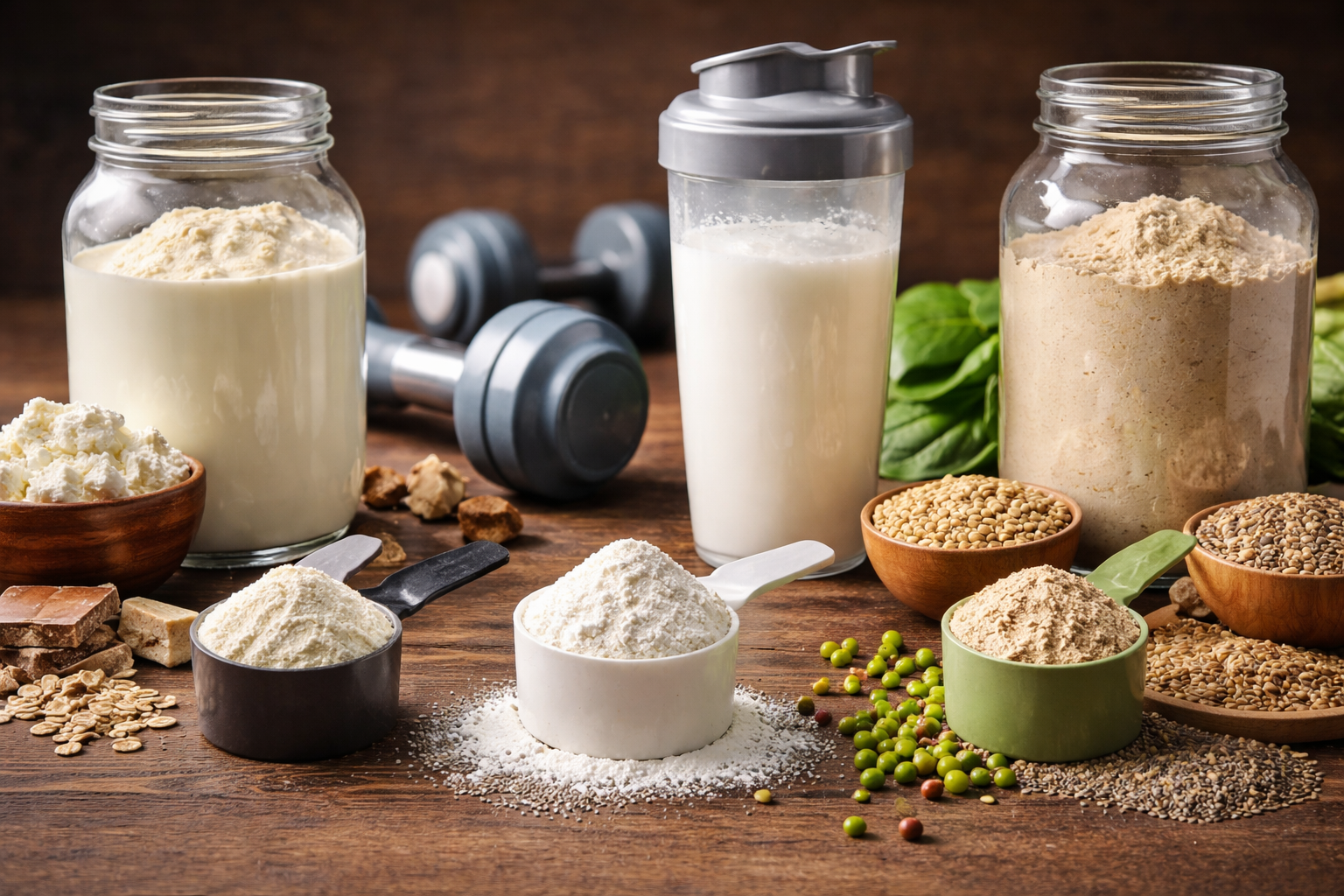
How to Choose Whey, Isolate, or Plant Protein with More Precision

Which Supplements Are Good for Eyesight?

Winter-Proof Your Body: Start These 7 Immunity Hacks Today

Why Your Supplements Should Change Every Season

Your Immune System’s Holiday Checklist

3-Day Detox After Holidays: Revitalize Your Body and Mind

Alpha Energy for Strength, Stamina, and Daily Drive
Backed by Science: 3 Reasons Women in Menopause Should Consider Creati

Benefits of Collagen for Seniors: A Comprehensive Guide
Creatine for Strength Output, Recovery, and Better Training Blocks
Does Creatine Cause Hair Loss? Separating Gym Bro Myths from Science

Electrolyte Imbalance Symptoms and How to Fix Them

Feed Your Curiosity: Why Lifelong Learning Is the New Brain Fitness

Health Tips 2026: Unlocking the Secrets to Optimal Well-being
How to Properly Take Creatine: A Comprehensive Guide

How to Restart Your Wellness Journey After Falling Off

How to Strengthen Hair: Top Tips for Healthier Strands

Improve Your Health in 30 Days: A Comprehensive Guide
Kickstart Your Fitness Journey: Tips for Long-Term Success

Nitric Oxide Support for Pumps, Blood Flow, and Training Capacity

MCT Oil as a Fast-Access Fuel for Energy and Output

The Guide to Men’s Health
The Guide to Metabolic Health

Pre-Workout Supplements for Energy, Focus, and Better Sessions

Strong, Not Small: Building Muscle as the Key to Weight Longevity

The Psychology of New Year Motivation & How to Make It Last Past Janua
The Ultimate Guide to Muscle Supplements: Boost Your Performance

Top Resolutions for 2026: How To Achieve Your Goals This Year
Creatine Beyond the Gym for Daily Output and Recovery
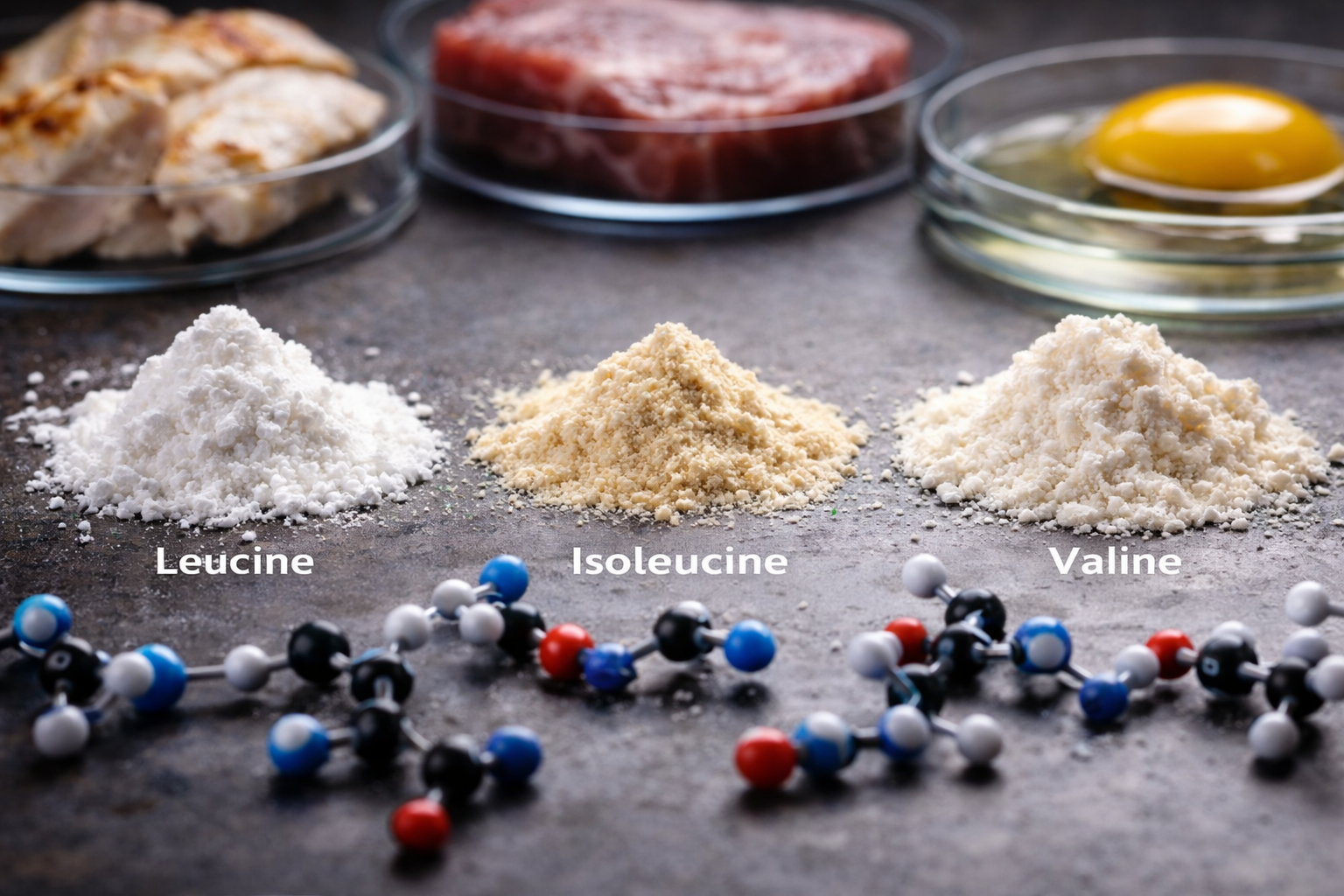
BCAAs for Recovery, Training Stress, and Muscle Support
Workout Supplements for Men Over 40: A Comprehensive Guide

Your Spring Wellness Reset: 6 Small Shifts That Actually Stick

Creative Holiday Recipes Made With Collagen, Creatine & More

6 Better-for-You Grilling Recipes For The 4th Of July

A Beginner’s Guide to Synthetic Food Dyes and Their Health Risks
Daily Ways to Use Collagen Creamer with Purpose

How to Build a Smarter Digestive Reset Routine

Cycle-Syncing 101: The Best Foods for Each Stage of Your Menstrual Cyc

Practical Ways to Use Berberine in a Daily Routine

Dry January Mocktails: 10 Functional Recipes

Feeding the Mind: How Nutrition Shapes Your Emotional Well-Being

Guide to Summer Superfoods Beyond Just Kale

Delicious, Healthy-ish Summer Mocktails

Holiday Survival Guide: Staying Healthy Through the Stress and Sweets

How Spring Affects Your Gut Microbiome (And What to Eat for Gut Health
It’s Not Just About Protein: Why Most Americans Need More Fiber

Maca Root for Daily Rituals, Smoothies, and Wellness Blends
Moringa for Greens Routines and Everyday Wellness

Morning Rituals: Collagen Coffee and Breakfast Ideas to Start the Day

Creatine Smoothies and Breakfast Ideas to Start the Day Right

Protein Powder Breakfast Ideas: Fuel Your Morning with Nutrient-Packed

Seed Oils 101: A No-Nonsense Guide to the Facts, the Fears, and the Al

7 Unhealthy Ingredients to Watch Out for (and What to Buy Instead)

A Daily Beauty Support Routine for Hair, Skin, and Nails

The "Good Enough" Wellness Day: Why Imperfect Habits Beat Perfect Plan

Electrolytes for Daily Hydration, Training, and Recovery

The Mediterranean Kitchen Upgrade: Cook for Longevity

Summer Glow Up: Tips to Make You Feel Great Inside & Out

When and How to Take Liver Support Supplements for Best Results

Whole Food Swaps for a Memorial Day Feast to Feel Good About
Why Your Wellness Routine Isn't Sticking and What to Do Instead
5 Simple Ways to Improve Your Immune System

7 Natural Menopause Treatments That Really Work

Berberine for Metabolic Health and Longevity Support

Best Liver Supplements? What Milk Thistle, NAC & Dandelion Root Actual

Best Vitamins for Mental Health: A Comprehensive Guide

Can Magnesium Really Help With Cramps, Headaches & Mood Swings?
The Guide to Cognitive Functions
Collagen Peptides Backed by Structure, Recovery, and Research

Debunking the Hype: What Lymphatic Drainage Can Actually Do

Digestive Enzymes for Better Breakdown and Nutrient Use
Digital Detox for Beginners: 7-Day Plan for a Clearer Mind

Do Cold Showers Really Boost Testosterone?

Does NAD Really Work? Unpacking the Science Behind This Popular Supple

Doomscrolling Got You Down? How to Protect Your Brain in the Digital A
Essential Daily Vitamins for Men: What You Should Take

Find Your Calm: Simple Exercises That Nurture Your Mental Wellness
Gut–Brain Axis Explained: How Digestion Affects Mood

The Guide to Hair and Skin Health

Hormones, Stress, and Genetics: The Big 3 Drivers of Hair Loss

How Can I Sleep Better? Unlocking the Secrets to Restful Nights

How Stress Impacts Digestion, Sleep, and Nutrient Absorption

How to Boost Testosterone Naturally

How to Sleep with Hot Flashes: A Comprehensive Guide

The Guide to Immune Health

Is It Your Thyroid—or Just Burnout? How to Tell the Difference and Wha

Key Vitamins and Minerals for Men's Vitality

Magnesium: The Sleep + Stress Mineral Most are Missing

Relieve Menopause Itchy Skin with These Tips
Menopause Without HRT: Navigating the Transition Naturally
Functional Mushroom Extracts with Modern Research Behind Them

NAC Through the Lens of Resilience, Recovery, and Modern Wellness
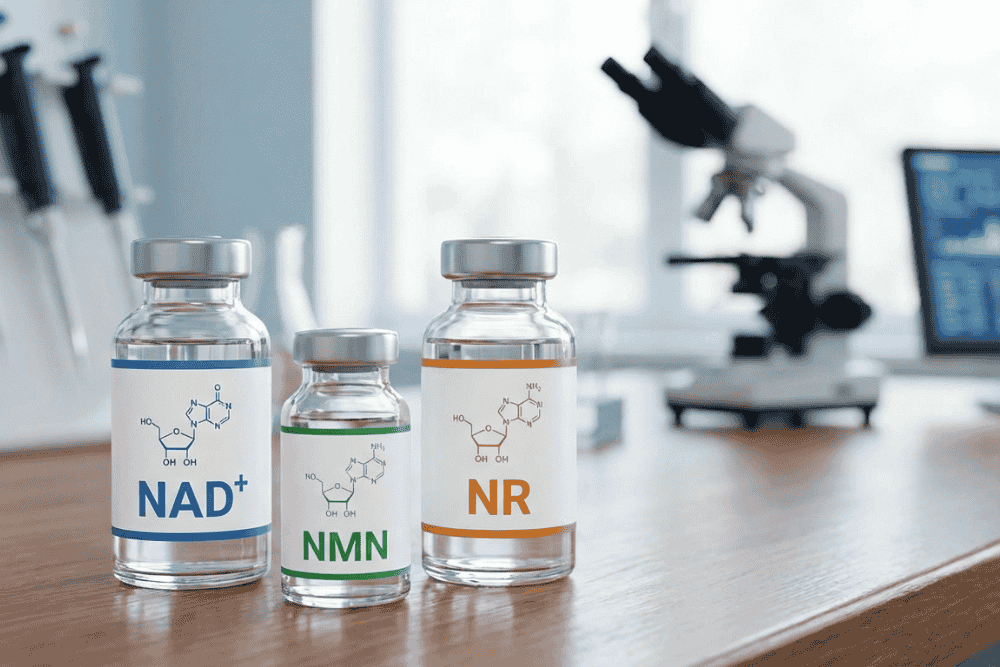
NAD+ vs. NMN vs. NR: What’s the Difference and Which Should You Take?

Signs Your Liver May Need Support (And What To Do About It)
The Guide to Sleep and Recovery

The Guide to Stress Regulation

Summer Hair Loss Is Real (And Here’s What to Do About It)

Supplements That Lower Cortisol: What Works and What Doesn’t

Supplements to Help with Stress: A Comprehensive Guide

Over 50? Here's 7 Essential Vitamins and Minerals For You

Testosterone After 40: What's Normal, What's Low, and When Supplements

How to Tackle Cortisol Belly

The Art of Doing Nothing: 7 Slow Summer Activities That Boost Your Hea

How the Change in Season Affects Your Sleep

The Chemistry of Happiness: What’s Really Happening in Your Brain?
The Guide to Liver Health

Turmeric from Traditional Use to Modern Wellness Credibility
The Holistic Approach to Menopause: Embracing Change with Balance

The Role of Zinc, Vitamin D3, and Boron in Male Hormone Health
Methylene Blue as an Advanced Wellness and Energy Story
Unlocking the Benefits of NR Powder: A Comprehensive Guide

How to Use Energy and Focus Vitamins

The Guide to Women’s Hormones
- Choosing a selection results in a full page refresh.
- Opens in a new window.
Refer a friend
Get $15 Off