
 Protein
 NAD+ & Longevity
 Collagen & Beauty
 Hydration & Electrolytes
 Gummies
 Cardio & Metabolic
 Vision & Eye
 Weight Management
 Pain, Joint & Recovery
 Hormonal & Vitality
 Brain & Focus
 Detox & Cleanse
 Digestive Balance
 Energy & Metabolism
 Immune Support
 Joint & Mobility
 Skin, Hair & Beauty
 Sleep & Stress
 Mood & Sleep Harmony Bundle
 Respiratory Health Bundle
 Bio-Hack Performance Bundle
 Brain Health Bundle
 Detox & Energy Bundle
 Digestion Support Bundle
 Heart & Circulation Bundle
 Immunity Support Bundle
 Liver Wellness Bundle
 Longevity & Cellular Repair Bundle
 Metabolism Support Bundle
 Mood & Sleep Harmony Bundle
 Morning Brew Bundle
 Mushroom Immunity Bundle
 Natural Detox Bundle
 Radiant Skin Bundle
 Respiratory Health Bundle
 Workout Recovery Bundle
 VitaTherx Wellness Welcome Kit










The Best Magnesium for Blood Pressure: What Experts Recommend
Best magnesium for blood pressure: discover top forms like glycinate and taurate, benefits, dosage, and science-backed heart support.

 Fact Checked
Advertiser Disclosure: VitaTherx independently vets all recommended products. If you purchase a featured product, we may be compensated. Learn why you can trust us.

The best magnesium for blood pressure starts with choosing the right form. Most experts agree that magnesium taurate and magnesium glycinate stand out for their high absorption and cardiovascular-focused benefits.
Dr. Ayesha Bryant says, �When I am recommending supplements to assist with lowering blood pressure, I usually recommend either glycinate or taurate as these tend to be better tolerated by my patients so they can be taken consistently.�
High blood pressure is incredibly common, and growing research around magnesium and hypertension shows this essential mineral plays a meaningful role in supporting healthy vascular function.
At VitaTherx, we focus on science-backed wellness solutions, including thoughtfully formulated magnesium supplements designed to support heart health as part of a balanced routine.
In this guide, we�ll break down what the research says, which forms work best, how to take magnesium effectively, and how to choose a high-quality supplement. While magnesium isn�t a standalone fix, it can be a valuable part of a broader blood pressure support supplement strategy that includes diet, lifestyle, and medical guidance.
TL;DR
- The best magnesium for blood pressure is typically glycinate or taurate due to high absorption and cardiovascular-specific benefits.
- Magnesium supports healthy blood pressure by promoting vasodilation, balancing electrolytes, and regulating systems like RAAS involved in vascular control.
- Experts recommend 200�400 mg daily, with consistent intake being key for noticeable improvements over several weeks.
- Magnesium works best alongside lifestyle habits like the DASH Diet, regular exercise, stress management, and reduced sodium intake.
- Supplements support but do not replace medical treatment, so consult your healthcare provider, especially if taking blood pressure medications.
Why Magnesium Matters for Healthy Blood Pressure
Magnesium plays a foundational role in regulating blood pressure by helping blood vessels relax.
Dr. Rron Bejtullahu explains, �Magnesium matters for blood pressure because it blocks calcium from entering smooth muscle cells excessively, acting like a natural calcium channel blocker. Calcium is responsible for the contraction of muscles and magnesium helps keep them in check, which means that your vessels stays open and blood flows more easily.�
This connection between magnesium and hypertension goes even deeper. Research shows magnesium also helps regulate the RAAS (renin-angiotensin-aldosterone system), which controls fluid balance and vascular tone.
Magnesium works alongside electrolytes like potassium to maintain a healthy sodium�potassium balance, another key factor in blood pressure regulation.
One of the most overlooked issues is how common a deficiency is. According to the NIH Office of Dietary Supplements, almost half of Americans don�t meet recommended magnesium intake levels. This is where the link between magnesium deficiency high blood pressure becomes important, as low intake is consistently associated with a higher risk of elevated blood pressure.
Diet plays a role, but many people fall short. Magnesium-rich foods like leafy greens, nuts, seeds, and whole grains are often underconsumed in modern diets.
That�s why supplementation can be a practical step. For those exploring the best magnesium for blood pressure, targeted options like supplements to lower blood pressure can help bridge dietary gaps while supporting overall magnesium for cardiovascular health.
The key takeaway: this is more common than most people realize, and it�s also something you can actively improve with the right approach.
Advertisement


What Science Says About Magnesium for High Blood Pressure
A 2025 study published in Hypertension shows that magnesium supplementation is associated with modest but meaningful improvements in systolic and diastolic blood pressure, especially in individuals with low magnesium levels or elevated blood pressure.
A large meta-analysis of 34 clinical trials found that magnesium supplementation produced measurable improvements in blood pressure readings, reinforcing its role as a supportive nutrient in cardiovascular health.
One reason this works comes down to magnesium vasodilation. As quoted by Dr. Rron, magnesium helps relax blood vessels by limiting calcium influx into vascular smooth muscle, similar in concept to how calcium channel blockers work, though much milder. This promotes better blood flow and less vascular resistance.
The 2018 review article published in Open Heart indicates that magnesium also supports endothelial function, which refers to the health of the inner lining of blood vessels. A well-functioning endothelium helps regulate blood flow, inflammation, and vascular tone, all critical for maintaining stable blood pressure.
Dr. Ayesha Bryant adds, �Meta-analyses suggest that supplemental magnesium can reduce systolic blood pressure by approximately 2-4 mmHg in some adults; especially those who have been diagnosed with a magnesium deficiency, insulin resistance or existing high blood pressure.�
Most studies showing benefits use daily doses between 300�500 mg of elemental magnesium. However, results are not universal effects tend to be strongest in those with a deficiency or higher baseline blood pressure.
If you�re evaluating the best magnesium for high blood pressure, forms like magnesium glycinate are often highlighted due to their absorption and tolerability. For a deeper look at the clinical evidence, see our guide on does magnesium lower blood pressure.
The bottom line: magnesium is not a replacement for medical treatment but research suggests it can meaningfully support healthy blood pressure when used consistently and appropriately.
How to Take Magnesium for Blood Pressure: Dosage, Timing & Practical Tips
When using magnesium as part of a blood pressure support routine, consistency matters more than anything else. Most research on daily magnesium intake suggests a range of 300�400 mg of elemental magnesium per day, though individual needs can vary.
Dr. Ayesha Bryant says, �I recommend a typical dose of 200-400 mg of elemental magnesium per day.� A practical approach is to start with 200�300 mg and increase gradually, which helps minimize digestive discomfort. Always check the label for elemental magnesium, not just the total compound weight.
Regarding timing, Dr. Ayesha says, �It does not matter when you take it throughout the day; but most commonly it is recommended to take it before bed time or divide your daily dose into two equal portions with each meal.�
�Evening dosing works better in practice because magnesium supports overnight blood pressure dips that your body naturally attempts during sleep,� adds Dr. Rron.
Magnesium works best alongside lifestyle strategies. A DASH Diet rich in fruits, vegetables, whole grains, and potassium pairs naturally with magnesium intake. Together, they form a strong foundation among natural supplements to lower blood pressure approaches.
Potassium is especially important here. These two minerals work synergistically to support vascular balance. If you're exploring this combination, read our guide on magnesium and potassium together.
You can also consider complementary options like magnesium and vitamin d or multi-mineral blends such as calcium, magnesium, zinc, which support broader magnesium for cardiovascular health.
Regarding safety, Dr. Ayesha says, �Caution should be exercised when using magnesium as a supplement if you suffer from kidney disease or are taking diuretics, certain antibiotics, or prescription blood pressure medications, as magnesium can interact with how your body absorbs medication and affects your overall electrolyte levels.�
Important: Always consult your healthcare provider before starting magnesium especially if you are taking blood pressure medications.
Best Magnesium Forms for Blood Pressure: Glycinate, Taurate, Citrate & More
Choosing the best magnesium for blood pressure comes down to absorption, tolerability, and intended use. �The "best" type of magnesium supplement is typically the one your patient will take consistently without gastrointestinal side effects,� says Dr. Ayesha.
Magnesium taurate
This form combines magnesium with taurine, an amino acid linked to heart health. Magnesium taurate blood pressure support is often highlighted because taurine itself may help support vascular function, making it one of the most targeted options.
Dr. Rron explains, �The best form of magnesium is magnesium taurate, and the reason is related to the action of taurine in the body. Taurine reduces the action of angiotensin II, the same pathway that prescription ACE inhibitors act on to lower blood pressure. So you're getting magnesium's vessel-relaxing effect alongside a compound that actively suppresses one of the body's main pressure-raising mechanisms.�
Magnesium glycinate
As Dr. Ayesha Bryant notes, "Glycinate is preferred for longer term use because it is easier on the stomach and tends to be better tolerated than citrate." Magnesium glycinate can be considered a good option for blood pressure.
It can be a reliable everyday choice for those looking to support cardiovascular health, though its effects are modest and work best alongside a healthy diet and lifestyle.
Advertisement


Magnesium citrate
A well-absorbed and widely available form, magnesium citrate blood pressure support may be helpful, but it may cause loose stools at higher doses. See options like magnesium citrate.
Magnesium oxide
Common but not ideal, this form has lower bioavailability, meaning less magnesium is actually absorbed.
Chelated magnesium
Chelated forms (like glycinate and taurate) are generally better absorbed. You can explore these options in our chelated magnesium collection.
For broader coverage, multi-form blends such as magnesium complex combine several types for balanced support.
Ultimately, the best choice depends on your goals�but for most people, glycinate or taurate are strong starting points among natural supplements to lower blood pressure.
Getting the Most from Magnesium for Blood Pressure: Lifestyle Tips That Help
Even the best magnesium for high blood pressure works best when combined with a heart-healthy lifestyle. Magnesium supports your system, but it doesn�t replace foundational habits.
The DASH Diet, recommended by the American Heart Association, emphasizes magnesium-rich foods like leafy greens, legumes, nuts, and whole grains while reducing sodium intake. This approach naturally supports magnesium for cardiovascular health.
Reducing sodium is especially important because high sodium intake can both raise blood pressure and deplete magnesium levels.
Regular physical activity also enhances magnesium�s benefits by improving circulation and vascular flexibility.
Stress management plays a major role, too. Chronic stress can deplete magnesium stores, while magnesium itself supports the nervous system, creating a feedback loop that impacts blood pressure.
Finally, limiting alcohol and ultra-processed foods helps preserve magnesium levels and overall cardiovascular balance.
Think of magnesium as part of a system, not a standalone solution.
Advertisement


Start Supporting Your Blood Pressure with the Right Magnesium Supplement
Finding the best magnesium for blood pressure comes down to choosing the right form and using it consistently. Magnesium glycinate and magnesium taurate stand out for their absorption and cardiovascular-specific benefits, making them strong starting points for most people.
That said, magnesium works best as part of a broader routine that includes diet, exercise, stress management, and proper medical guidance.
VitaTherx offers expert-recommended, science-backed magnesium supplements made in the USA, designed to support your long-term wellness goals. Explore our blood pressure collection to find the right fit for your needs.
For more on how magnesium supports your cardiovascular system, read our guide to magnesium for heart health.
Disclaimer: Individual results may vary. Supplements are not intended to diagnose, treat, cure, or prevent any disease. Consult your healthcare provider before starting any supplement regimen, especially if you are taking blood pressure medications.
FAQs
Meet the Experts
- Dr. Ayesha Bryant, MD, Clinical Advisor at Alpas Wellness
- Dr. Rron Bejtullahu, Medical Doctor and Ophthalmology at SonderCare
Our Top Picks

MgBalance Magnesium Powder
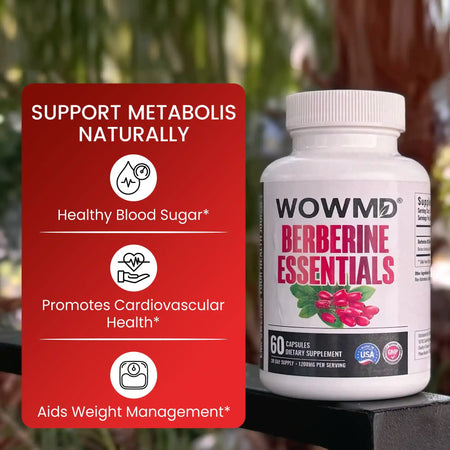
Berberine Essentials
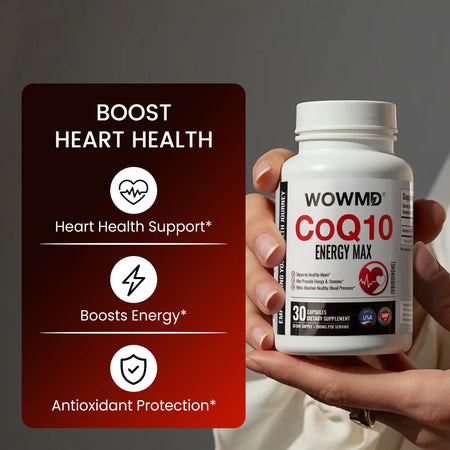
CoQ10 Energy Max
You May Also Like






Popular Stories
- Does Magnesium Lower Blood Pressure?
- The Best Zinc and Magnesium Supplement: What to Look for and Why It Matters
- Magnesium for Hair Growth: What the Science Says and Which Forms Work Best
- The Best Magnesium for Brain Health: What the Science Actually Says
- Magnesium for Asthma: What the Research Says About Breathing Support
- Taking Calcium and Magnesium at Night: What You Should Know
References
VitaTherx follows strict sourcing guidelines to ensure the accuracy of its content, outlined in our editorial policy. We use only trustworthy sources, including peer-reviewed studies, qualified experts, and information from top institutions.


- Effects of magnesium on the renin-angiotensin-aldosterone system in human subjects https://pubmed.ncbi.nlm.nih.gov/8228558/
- The Effect of Electrolytes on Blood Pressure: A Brief Summary of Meta-Analyses https://pmc.ncbi.nlm.nih.gov/articles/PMC6627949/
- NIH Magnesium Fact Sheet for Health Professionals https://ods.od.nih.gov/factsheets/Magnesium-HealthProfessional/
- Magnesium Supplementation and Blood Pressure: A Systematic Review and Meta-Analysis of Randomized Controlled Trials https://pmc.ncbi.nlm.nih.gov/articles/PMC12529988/
- Effects of Magnesium Supplementation on Blood Pressure: A Meta-Analysis of Randomized Double-Blind Placebo-Controlled Trials https://pubmed.ncbi.nlm.nih.gov/27402922/
- Magnesium for the prevention and treatment of cardiovascular disease https://pmc.ncbi.nlm.nih.gov/articles/PMC6045762/
- The DASH Diet: A Guide to Managing Hypertension Through Nutrition https://www.ncbi.nlm.nih.gov/books/NBK482514/
Collagen
Turmeric
NAD+

Hormone Balance
Chaga Mushroom
Berberine
GLP-1
Ashwagandha
Colostrum
Apple Cider Vinegar
Vitamin Gummies
Keto-5
Moringa Pure
BCAA
Whey Protein
Lutein & Bilberry
10 Simple Habits That May Help Improve Your Focus

Aging Well Starts Now: How Metabolic Health Supports Lifelong Mobility

Best Mushrooms for Brain Health

Biotin vs Collagen: Choosing the Right Beauty Support

Bloating, Brain Fog, and Fatigue: When Your Gut Needs a Deeper Reset

Collagen: Benefits, Types, Sources, and How to Use It

Exercising Your Mind for Cognitive Health: Chess Anyone?

Gut Health and Weight Loss: The Connection You Have to Know

The Guide to Gut Health

Gut Health Hacks: What Gut Health Actually Means

Hacks to Debloat, Stat

Nootropic Mushrooms: Unlocking Cognitive Potential

Omega-3 EPA and DHA Explained for Daily Health Support

Probiotics Side Effects: What’s Normal vs a Red Flag

Spring Fever: Myth or Reality? The Truth Might Surprise You

Gut Health Strategies That Support Energy, Digestion, and Balance

The Guide to Supplementation Across Every Decade

Supplements That Help You Study: Boost Your Brainpower

The Best Mushroom Supplements for Brain Health

The Best Pre, Pro, and Postbiotics for Women: A Comprehensive Guide

The Best Probiotic for Gut Inflammation: A Comprehensive Guide
Vitamin B12 for Energy, Nerves, and Daily Vitality

Hydration as the Foundation of Energy, Focus, and Performance

The Skin-Gut Connection: Why Your Breakouts Might Be a Digestive Issue

Things You Can Do Now to Stay Sharp as You Age

Vision Support Through Antioxidants, Nutrients, and Daily Protection
Vitamin D3 and K2 as a Smarter Daily Pairing

What Supplements Help with Focus?

How to Choose Whey, Isolate, or Plant Protein with More Precision

Which Supplements Are Good for Eyesight?

Winter-Proof Your Body: Start These 7 Immunity Hacks Today

Why Your Supplements Should Change Every Season

Your Immune System’s Holiday Checklist

3-Day Detox After Holidays: Revitalize Your Body and Mind

Alpha Energy for Strength, Stamina, and Daily Drive
Backed by Science: 3 Reasons Women in Menopause Should Consider Creati

Benefits of Collagen for Seniors: A Comprehensive Guide
Creatine for Strength Output, Recovery, and Better Training Blocks
Does Creatine Cause Hair Loss? Separating Gym Bro Myths from Science

Electrolyte Imbalance Symptoms and How to Fix Them

Feed Your Curiosity: Why Lifelong Learning Is the New Brain Fitness

Health Tips 2026: Unlocking the Secrets to Optimal Well-being
How to Properly Take Creatine: A Comprehensive Guide

How to Restart Your Wellness Journey After Falling Off

How to Strengthen Hair: Top Tips for Healthier Strands

Improve Your Health in 30 Days: A Comprehensive Guide
Kickstart Your Fitness Journey: Tips for Long-Term Success

Nitric Oxide Support for Pumps, Blood Flow, and Training Capacity

MCT Oil as a Fast-Access Fuel for Energy and Output

The Guide to Men’s Health

The Guide to Metabolic Health

Pre-Workout Supplements for Energy, Focus, and Better Sessions

Strong, Not Small: Building Muscle as the Key to Weight Longevity

The Psychology of New Year Motivation & How to Make It Last Past Janua
The Ultimate Guide to Muscle Supplements: Boost Your Performance

Top Resolutions for 2026: How To Achieve Your Goals This Year
Creatine Beyond the Gym for Daily Output and Recovery
BCAAs for Recovery, Training Stress, and Muscle Support

Workout Supplements for Men Over 40: A Comprehensive Guide

Your Spring Wellness Reset: 6 Small Shifts That Actually Stick

Creative Holiday Recipes Made With Collagen, Creatine & More

6 Better-for-You Grilling Recipes For The 4th Of July

A Beginner’s Guide to Synthetic Food Dyes and Their Health Risks

Daily Ways to Use Collagen Creamer with Purpose

How to Build a Smarter Digestive Reset Routine

Cycle-Syncing 101: The Best Foods for Each Stage of Your Menstrual Cyc

Practical Ways to Use Berberine in a Daily Routine

Dry January Mocktails: 10 Functional Recipes

Feeding the Mind: How Nutrition Shapes Your Emotional Well-Being

Guide to Summer Superfoods Beyond Just Kale

Delicious, Healthy-ish Summer Mocktails

Holiday Survival Guide: Staying Healthy Through the Stress and Sweets

How Spring Affects Your Gut Microbiome (And What to Eat for Gut Health
It’s Not Just About Protein: Why Most Americans Need More Fiber

Maca Root for Daily Rituals, Smoothies, and Wellness Blends

Moringa for Greens Routines and Everyday Wellness

Morning Rituals: Collagen Coffee and Breakfast Ideas to Start the Day

Creatine Smoothies and Breakfast Ideas to Start the Day Right

Protein Powder Breakfast Ideas: Fuel Your Morning with Nutrient-Packed

Seed Oils 101: A No-Nonsense Guide to the Facts, the Fears, and the Al

7 Unhealthy Ingredients to Watch Out for (and What to Buy Instead)

A Daily Beauty Support Routine for Hair, Skin, and Nails

The "Good Enough" Wellness Day: Why Imperfect Habits Beat Perfect Plan

Electrolytes for Daily Hydration, Training, and Recovery

The Mediterranean Kitchen Upgrade: Cook for Longevity

Summer Glow Up: Tips to Make You Feel Great Inside & Out

When and How to Take Liver Support Supplements for Best Results

Whole Food Swaps for a Memorial Day Feast to Feel Good About

Why Your Wellness Routine Isn't Sticking and What to Do Instead

5 Simple Ways to Improve Your Immune System

7 Natural Menopause Treatments That Really Work

Berberine for Metabolic Health and Longevity Support

Best Liver Supplements? What Milk Thistle, NAC & Dandelion Root Actual

Best Vitamins for Mental Health: A Comprehensive Guide

Can Magnesium Really Help With Cramps, Headaches & Mood Swings?

The Guide to Cognitive Functions
Collagen Peptides Backed by Structure, Recovery, and Research

Debunking the Hype: What Lymphatic Drainage Can Actually Do

Digestive Enzymes for Better Breakdown and Nutrient Use

Digital Detox for Beginners: 7-Day Plan for a Clearer Mind

Do Cold Showers Really Boost Testosterone?

Does NAD Really Work? Unpacking the Science Behind This Popular Supple

Doomscrolling Got You Down? How to Protect Your Brain in the Digital A

Essential Daily Vitamins for Men: What You Should Take

Find Your Calm: Simple Exercises That Nurture Your Mental Wellness

Gut–Brain Axis Explained: How Digestion Affects Mood

The Guide to Hair and Skin Health

Hormones, Stress, and Genetics: The Big 3 Drivers of Hair Loss

How Can I Sleep Better? Unlocking the Secrets to Restful Nights

How Stress Impacts Digestion, Sleep, and Nutrient Absorption

How to Boost Testosterone Naturally

How to Sleep with Hot Flashes: A Comprehensive Guide

The Guide to Immune Health

Is It Your Thyroid—or Just Burnout? How to Tell the Difference and Wha

Key Vitamins and Minerals for Men's Vitality

Magnesium: The Sleep + Stress Mineral Most are Missing

Relieve Menopause Itchy Skin with These Tips

Menopause Without HRT: Navigating the Transition Naturally

Functional Mushroom Extracts with Modern Research Behind Them

NAC Through the Lens of Resilience, Recovery, and Modern Wellness

NAD+ vs. NMN vs. NR: What’s the Difference and Which Should You Take?

Signs Your Liver May Need Support (And What To Do About It)

The Guide to Sleep and Recovery

The Guide to Stress Regulation

Summer Hair Loss Is Real (And Here’s What to Do About It)

Supplements That Lower Cortisol: What Works and What Doesn’t

Supplements to Help with Stress: A Comprehensive Guide

Over 50? Here's 7 Essential Vitamins and Minerals For You

Testosterone After 40: What's Normal, What's Low, and When Supplements

How to Tackle Cortisol Belly

The Art of Doing Nothing: 7 Slow Summer Activities That Boost Your Hea

How the Change in Season Affects Your Sleep

The Chemistry of Happiness: What’s Really Happening in Your Brain?
The Guide to Liver Health

Turmeric from Traditional Use to Modern Wellness Credibility

The Holistic Approach to Menopause: Embracing Change with Balance

The Role of Zinc, Vitamin D3, and Boron in Male Hormone Health
Methylene Blue as an Advanced Wellness and Energy Story

Unlocking the Benefits of NR Powder: A Comprehensive Guide

How to Use Energy and Focus Vitamins

The Guide to Women’s Hormones
- Choosing a selection results in a full page refresh.
- Opens in a new window.
Refer a friend
Get $15 Off