
 Protein
 NAD+ & Longevity
 Collagen & Beauty
 Hydration & Electrolytes
 Gummies
 Cardio & Metabolic
 Vision & Eye
 Weight Management
 Pain, Joint & Recovery
 Hormonal & Vitality
 Brain & Focus
 Detox & Cleanse
 Digestive Balance
 Energy & Metabolism
 Immune Support
 Joint & Mobility
 Skin, Hair & Beauty
 Sleep & Stress
 Mood & Sleep Harmony Bundle
 Respiratory Health Bundle
 Bio-Hack Performance Bundle
 Brain Health Bundle
 Detox & Energy Bundle
 Digestion Support Bundle
 Heart & Circulation Bundle
 Immunity Support Bundle
 Liver Wellness Bundle
 Longevity & Cellular Repair Bundle
 Metabolism Support Bundle
 Mood & Sleep Harmony Bundle
 Morning Brew Bundle
 Mushroom Immunity Bundle
 Natural Detox Bundle
 Radiant Skin Bundle
 Respiratory Health Bundle
 Workout Recovery Bundle
 VitaTherx Wellness Welcome Kit










Does Magnesium Lower Blood Pressure?
Research suggests magnesium may modestly support healthy blood pressure levels by relaxing blood vessels and improving endothelial function.

 Fact Checked
Advertiser Disclosure: VitaTherx independently vets all recommended products. If you purchase a featured product, we may be compensated. Learn why you can trust us.
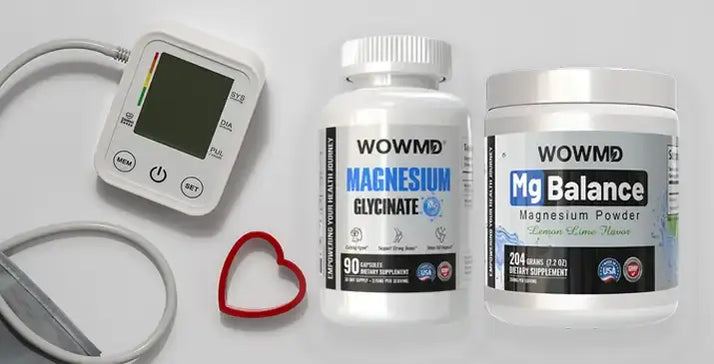
If you're managing high blood pressure and wondering whether a mineral supplement could actually make a difference, magnesium is worth a serious look. Research consistently shows magnesium supplementation can modestly but meaningfully support healthy blood pressure levels, particularly for those with hypertension or low magnesium status, though results vary by individual.
Magnesium's Role in Blood Pressure Regulation
 Magnesium's Role in Blood Pressure
Magnesium is one of the most studied minerals in cardiovascular health, with a growing body of evidence suggesting it plays a meaningful role in supporting normal blood pressure levels.
What the Research Says
A 2025 meta-analysis published in Hypertension pooled findings from 38 randomized controlled trials and found that magnesium supplements may lower blood pressure, especially in people with high blood pressure and those with insufficient magnesium intake.
How Magnesium Affects Blood Vessels
The physiological explanation is equally compelling. Research shows that magnesium helps relax and widen blood vessels by blocking excess calcium in vessel walls, boosting nitric oxide production, and improving endothelial function. In plain terms, this supports normal blood pressure regulation.
This research suggests that magnesium intake in the range of 500 mg to 1,000 mg per day may help support blood pressure levels, though individual responses across clinical studies vary. That said, supplementation should complement a balanced diet and never replace prescribed treatments.
The Mechanisms Behind Magnesium's Effects
The most direct mechanism involves how magnesium interacts with calcium inside blood vessel walls. When calcium accumulates excessively in smooth muscle cells, blood vessels tighten and resistance increases. Magnesium counters this by naturally competing with calcium, helping vessel walls relax rather than constrict. As research published on PubMed Central explains, oral magnesium "acts as a natural calcium channel blocker, increases nitric oxide, improves endothelial dysfunction, and induces direct and indirect vasodilation."
Vasodilation and Nitric Oxide Production
Nitric oxide is a signaling molecule your body produces to widen blood vessels and improve circulation. Magnesium supports the enzymes responsible for nitric oxide synthesis, which means adequate magnesium status may help maintain the flexibility and responsiveness of your arterial walls. Investigators have consistently pointed to endothelial function as the key link between magnesium and vascular health, and the research base in this area has grown considerably over the past two decades.
Harvard Health Publishing notes that magnesium deficiency is linked to a higher risk of hypertension, and that restoring adequate levels through diet or supplementation may contribute to better blood pressure regulation. This aligns with the mechanistic evidence above and reinforces why magnesium is increasingly discussed alongside conventional cardiovascular support strategies.
Which Magnesium Supplement Is Best for Lowering Blood Pressure?
Not all forms of magnesium work the same way in the body. When it comes to supporting blood pressure levels, bioavailability matters most, meaning how readily your body can absorb and use what you are taking. Choosing the right form can meaningfully influence how well your routine performs.
Here is a practical breakdown of the three forms most relevant to blood pressure support.
|
Form |
Bioavailability |
Best For |
Notes |
|
Magnesium Glycinate |
High |
Blood pressure support, sensitive digestion |
Bound to glycine for enhanced absorption |
|
Magnesium Citrate |
High |
General supplementation, borderline deficiency |
Well-studied, absorbs efficiently |
|
Magnesium Oxide |
Moderate (lower than glycinate/citrate) |
Digestive support |
High elemental magnesium per capsule, lower absorption rate |
Magnesium Glycinate
This form binds magnesium to the amino acid glycine, which enhances absorption and reduces the likelihood of digestive discomfort. It is widely considered one of the most bioavailable options for supporting magnesium status and is a practical first choice for blood pressure support.
 Magnesium Glycinate
Magnesium Citrate
Magnesium citrate offers strong bioavailability and is well-studied for general supplementation use. It absorbs efficiently and may support blood pressure regulation in individuals with borderline deficiency.
Magnesium Oxide
This form contains a high concentration of elemental magnesium per capsule but absorbs less efficiently than glycinate or citrate. It is more commonly used for digestive support than cardiovascular goals.
Who Should Avoid Magnesium Supplements?

Magnesium is well-tolerated by most healthy adults, but it is not the right fit for everyone. Certain health conditions and medications can make supplementation risky, and knowing where you stand matters before adding anything new to your routine.
Because of magnesium's blood pressure-lowering effects, it can meaningfully shift blood pressure and fluid balance. That effect is valuable for many people, but it can become problematic for specific groups.
People With Kidney Disease
Your kidneys regulate how much magnesium your body retains. When kidney function is impaired, excess magnesium cannot be efficiently excreted, which may lead to a buildup causing muscle weakness, slowed heart rate, or more serious complications. Anyone with chronic kidney disease should consult a healthcare provider before supplementing.
People Taking Certain Medications
Magnesium can interact with antibiotics, diuretics, proton pump inhibitors, and blood pressure medications. These interactions may reduce drug absorption or amplify pressure-lowering effects beyond a safe range. Consult a healthcare provider if pregnant, nursing, or on medication before beginning any new supplement protocol.
People With Hypotension or Cardiac Conduction Disorders
Because magnesium supports vasodilation and slows electrical conduction in the heart, individuals with already-low blood pressure or certain cardiac conduction disorders may experience adverse effects.
How Quickly Can Magnesium Lower Your Blood Pressure?
Most people notice measurable changes within 8 to 12 weeks of consistent magnesium supplementation. Some research shows modest shifts in as little as three to four weeks, particularly in individuals who begin with lower magnesium levels or existing hypertension.
Timeline varies based on your baseline magnesium status, the form you are taking, your dosage, and how consistently you supplement. Someone who is significantly deficient may respond more noticeably in the early weeks, while someone with near-adequate levels may see more gradual shifts.
One umbrella meta-analysis published in Current Therapeutic Research, Clinical and Experimental pooled results across multiple trials and found that magnesium supplementation produced a statistically significant reduction in both systolic and diastolic blood pressure: "The pooling of their effect sizes resulted in a significant reduction of SBP (ES = -1.25 mmHg; 95% CI, -1.98, -0.51, P = 0.001) and DBP (ES = -1.40 mmHg; 95% CI, -2.04, -0.75, P = 0.000) by magnesium supplementation." The effects are real and measurable, even if modest.
Sporadic supplementation is unlikely to produce meaningful results. Daily use over at least two to three months gives your cardiovascular system the sustained support it needs.
You May Also Like





Popular Stories
- The Best Zinc and Magnesium Supplement: What to Look for and Why It Matters
- Magnesium for Hair Growth: What the Science Says and Which Forms Work Best
- The Best Magnesium for Brain Health: What the Science Actually Says
- Magnesium for Asthma: What the Research Says About Breathing Support
- Taking Calcium and Magnesium at Night: What You Should Know
- Magnesium for Inflammation: What the Research Actually Says
Collagen
Turmeric
NAD+

Hormone Balance
Chaga Mushroom
Berberine
GLP-1
Ashwagandha
Colostrum
Apple Cider Vinegar
Vitamin Gummies
Keto-5
Moringa Pure
BCAA
Whey Protein
Lutein & Bilberry
10 Simple Habits That May Help Improve Your Focus

Aging Well Starts Now: How Metabolic Health Supports Lifelong Mobility

Best Mushrooms for Brain Health

Biotin vs Collagen: Choosing the Right Beauty Support

Bloating, Brain Fog, and Fatigue: When Your Gut Needs a Deeper Reset

Collagen: Benefits, Types, Sources, and How to Use It

Exercising Your Mind for Cognitive Health: Chess Anyone?

Gut Health and Weight Loss: The Connection You Have to Know

The Guide to Gut Health

Gut Health Hacks: What Gut Health Actually Means

Hacks to Debloat, Stat

Nootropic Mushrooms: Unlocking Cognitive Potential

Omega-3 EPA and DHA Explained for Daily Health Support

Probiotics Side Effects: What’s Normal vs a Red Flag

Spring Fever: Myth or Reality? The Truth Might Surprise You

Gut Health Strategies That Support Energy, Digestion, and Balance
The Guide to Supplementation Across Every Decade

Supplements That Help You Study: Boost Your Brainpower

The Best Mushroom Supplements for Brain Health

The Best Pre, Pro, and Postbiotics for Women: A Comprehensive Guide

The Best Probiotic for Gut Inflammation: A Comprehensive Guide
Vitamin B12 for Energy, Nerves, and Daily Vitality

Hydration as the Foundation of Energy, Focus, and Performance

The Skin-Gut Connection: Why Your Breakouts Might Be a Digestive Issue

Things You Can Do Now to Stay Sharp as You Age

Vision Support Through Antioxidants, Nutrients, and Daily Protection
Vitamin D3 and K2 as a Smarter Daily Pairing

What Supplements Help with Focus?

How to Choose Whey, Isolate, or Plant Protein with More Precision

Which Supplements Are Good for Eyesight?

Winter-Proof Your Body: Start These 7 Immunity Hacks Today

Why Your Supplements Should Change Every Season

Your Immune System’s Holiday Checklist

3-Day Detox After Holidays: Revitalize Your Body and Mind

Alpha Energy for Strength, Stamina, and Daily Drive
Backed by Science: 3 Reasons Women in Menopause Should Consider Creati

Benefits of Collagen for Seniors: A Comprehensive Guide
Creatine for Strength Output, Recovery, and Better Training Blocks
Does Creatine Cause Hair Loss? Separating Gym Bro Myths from Science

Electrolyte Imbalance Symptoms and How to Fix Them

Feed Your Curiosity: Why Lifelong Learning Is the New Brain Fitness

Health Tips 2026: Unlocking the Secrets to Optimal Well-being
How to Properly Take Creatine: A Comprehensive Guide

How to Restart Your Wellness Journey After Falling Off

How to Strengthen Hair: Top Tips for Healthier Strands

Improve Your Health in 30 Days: A Comprehensive Guide
Kickstart Your Fitness Journey: Tips for Long-Term Success

Nitric Oxide Support for Pumps, Blood Flow, and Training Capacity

MCT Oil as a Fast-Access Fuel for Energy and Output

The Guide to Men’s Health

The Guide to Metabolic Health

Pre-Workout Supplements for Energy, Focus, and Better Sessions

Strong, Not Small: Building Muscle as the Key to Weight Longevity

The Psychology of New Year Motivation & How to Make It Last Past Janua
The Ultimate Guide to Muscle Supplements: Boost Your Performance

Top Resolutions for 2026: How To Achieve Your Goals This Year
Creatine Beyond the Gym for Daily Output and Recovery
BCAAs for Recovery, Training Stress, and Muscle Support

Workout Supplements for Men Over 40: A Comprehensive Guide

Your Spring Wellness Reset: 6 Small Shifts That Actually Stick

Creative Holiday Recipes Made With Collagen, Creatine & More

6 Better-for-You Grilling Recipes For The 4th Of July

A Beginner’s Guide to Synthetic Food Dyes and Their Health Risks

Daily Ways to Use Collagen Creamer with Purpose

How to Build a Smarter Digestive Reset Routine

Cycle-Syncing 101: The Best Foods for Each Stage of Your Menstrual Cyc

Practical Ways to Use Berberine in a Daily Routine

Dry January Mocktails: 10 Functional Recipes

Feeding the Mind: How Nutrition Shapes Your Emotional Well-Being

Guide to Summer Superfoods Beyond Just Kale

Delicious, Healthy-ish Summer Mocktails

Holiday Survival Guide: Staying Healthy Through the Stress and Sweets

How Spring Affects Your Gut Microbiome (And What to Eat for Gut Health

It’s Not Just About Protein: Why Most Americans Need More Fiber

Maca Root for Daily Rituals, Smoothies, and Wellness Blends

Moringa for Greens Routines and Everyday Wellness

Morning Rituals: Collagen Coffee and Breakfast Ideas to Start the Day

Creatine Smoothies and Breakfast Ideas to Start the Day Right

Protein Powder Breakfast Ideas: Fuel Your Morning with Nutrient-Packed

Seed Oils 101: A No-Nonsense Guide to the Facts, the Fears, and the Al

7 Unhealthy Ingredients to Watch Out for (and What to Buy Instead)

A Daily Beauty Support Routine for Hair, Skin, and Nails

The "Good Enough" Wellness Day: Why Imperfect Habits Beat Perfect Plan

Electrolytes for Daily Hydration, Training, and Recovery

The Mediterranean Kitchen Upgrade: Cook for Longevity

Summer Glow Up: Tips to Make You Feel Great Inside & Out

When and How to Take Liver Support Supplements for Best Results

Whole Food Swaps for a Memorial Day Feast to Feel Good About

Why Your Wellness Routine Isn't Sticking and What to Do Instead

5 Simple Ways to Improve Your Immune System

7 Natural Menopause Treatments That Really Work

Berberine for Metabolic Health and Longevity Support

Best Liver Supplements? What Milk Thistle, NAC & Dandelion Root Actual

Best Vitamins for Mental Health: A Comprehensive Guide

Can Magnesium Really Help With Cramps, Headaches & Mood Swings?

The Guide to Cognitive Functions

Collagen Peptides Backed by Structure, Recovery, and Research

Debunking the Hype: What Lymphatic Drainage Can Actually Do

Digestive Enzymes for Better Breakdown and Nutrient Use

Digital Detox for Beginners: 7-Day Plan for a Clearer Mind

Do Cold Showers Really Boost Testosterone?

Does NAD Really Work? Unpacking the Science Behind This Popular Supple

Doomscrolling Got You Down? How to Protect Your Brain in the Digital A

Essential Daily Vitamins for Men: What You Should Take

Find Your Calm: Simple Exercises That Nurture Your Mental Wellness

Gut–Brain Axis Explained: How Digestion Affects Mood

The Guide to Hair and Skin Health

Hormones, Stress, and Genetics: The Big 3 Drivers of Hair Loss

How Can I Sleep Better? Unlocking the Secrets to Restful Nights

How Stress Impacts Digestion, Sleep, and Nutrient Absorption

How to Boost Testosterone Naturally

How to Sleep with Hot Flashes: A Comprehensive Guide

The Guide to Immune Health

Is It Your Thyroid—or Just Burnout? How to Tell the Difference and Wha

Key Vitamins and Minerals for Men's Vitality

Magnesium: The Sleep + Stress Mineral Most are Missing

Relieve Menopause Itchy Skin with These Tips

Menopause Without HRT: Navigating the Transition Naturally

Functional Mushroom Extracts with Modern Research Behind Them

NAC Through the Lens of Resilience, Recovery, and Modern Wellness

NAD+ vs. NMN vs. NR: What’s the Difference and Which Should You Take?

Signs Your Liver May Need Support (And What To Do About It)

The Guide to Sleep and Recovery

The Guide to Stress Regulation

Summer Hair Loss Is Real (And Here’s What to Do About It)

Supplements That Lower Cortisol: What Works and What Doesn’t

Supplements to Help with Stress: A Comprehensive Guide

Over 50? Here's 7 Essential Vitamins and Minerals For You

Testosterone After 40: What's Normal, What's Low, and When Supplements

How to Tackle Cortisol Belly

The Art of Doing Nothing: 7 Slow Summer Activities That Boost Your Hea

How the Change in Season Affects Your Sleep

The Chemistry of Happiness: What’s Really Happening in Your Brain?
The Guide to Liver Health

Turmeric from Traditional Use to Modern Wellness Credibility

The Holistic Approach to Menopause: Embracing Change with Balance

The Role of Zinc, Vitamin D3, and Boron in Male Hormone Health
Methylene Blue as an Advanced Wellness and Energy Story

Unlocking the Benefits of NR Powder: A Comprehensive Guide

How to Use Energy and Focus Vitamins

The Guide to Women’s Hormones
- Choosing a selection results in a full page refresh.
- Opens in a new window.
Refer a friend
Get $15 Off