
 Protein
 NAD+ & Longevity
 Collagen & Beauty
 Hydration & Electrolytes
 Gummies
 Cardio & Metabolic
 Vision & Eye
 Weight Management
 Pain, Joint & Recovery
 Hormonal & Vitality
 Brain & Focus
 Detox & Cleanse
 Digestive Balance
 Energy & Metabolism
 Immune Support
 Joint & Mobility
 Skin, Hair & Beauty
 Sleep & Stress
 Mood & Sleep Harmony Bundle
 Respiratory Health Bundle
 Bio-Hack Performance Bundle
 Brain Health Bundle
 Detox & Energy Bundle
 Digestion Support Bundle
 Heart & Circulation Bundle
 Immunity Support Bundle
 Liver Wellness Bundle
 Longevity & Cellular Repair Bundle
 Metabolism Support Bundle
 Mood & Sleep Harmony Bundle
 Morning Brew Bundle
 Mushroom Immunity Bundle
 Natural Detox Bundle
 Radiant Skin Bundle
 Respiratory Health Bundle
 Workout Recovery Bundle
 VitaTherx Wellness Welcome Kit










Taking Calcium and Magnesium at Night: What You Should Know
Is nighttime the best time for calcium and magnesium? Discover how timing affects absorption, sleep quality, and your overall supplement routine.

 Fact Checked
Advertiser Disclosure: VitaTherx independently vets all recommended products. If you purchase a featured product, we may be compensated. Learn why you can trust us.

Taking calcium and magnesium at night is a simple habit that may pay significant dividends for your sleep quality, muscle recovery, and bone health. Yes, experts say taking these two minerals in the evening is generally considered a smart strategy.
Magnesium promotes relaxation and supports sleep, while calcium may fit well with the body�s natural overnight bone-repair cycle. The main nuance is form: some calcium types are easier to take at night than others, but for most people, it works well.
At VitaTherx, we focus on expert-recommended, science-backed formulas designed to support daily wellness in practical, sustainable ways. If you are already looking at sleep support supplements, or exploring options like magnesium for sleep, this combination is worth considering.
In this guide, we�ll look at what the science says about calcium and magnesium for sleep, how these minerals interact, when and how to take them, which forms make the most sense at night, and what precautions to keep in mind.
TL;DR
- Taking calcium and magnesium at night can support better sleep, muscle relaxation, and overnight bone repair when used consistently.
- Magnesium helps activate calming pathways (GABA), while calcium supports the body�s natural bone remodelling cycle during sleep.
- Magnesium glycinate is the best nighttime form for relaxation, while calcium citrate is easier to absorb at night.
- Typical guidance: magnesium 200�400 mg and calcium around 500 mg, taken 30�60 minutes before bed as part of a routine.
- These minerals work best as part of a full sleep strategy, including good sleep hygiene�not as standalone fixes.
The Case for Taking Calcium and Magnesium at Night
Taking calcium and magnesium at night makes sense because both minerals support processes that become especially relevant as the body shifts into recovery mode. Magnesium helps activate the parasympathetic nervous system, the �rest and digest� state that allows your body to wind down.
Dr. Gail Clifford says, �Magnesium has historically been referred to from a clinical standpoint as the "nighttime mineral." Magnesium helps regulate both GABA (neurotransmitter) and (which help reduce stress). This can relax muscles and calm down the nervous system.�
That calming effect is one reason magnesium is often associated with muscle relaxation at night. If you deal with nighttime tightness, leg discomfort, or a restless feeling before bed, magnesium may help create a steadier transition into sleep.
It is also relevant in conversations around magnesium deficiency sleep, since low magnesium status is commonly linked with poor sleep quality, tension, and nighttime restlessness. According to NIH, around half of Americans don't meet daily magnesium requirements.
Calcium has its own place in the nighttime picture. �Physiological bone remodeling peaks at night and providing calcium at bedtime could possibly aid in this process�, says Dr. Gail Clifford.
That is why calcium can be a meaningful part of bone health at night. Supplying calcium in the evening may support that ongoing process, especially when total dietary intake is not ideal.
These two minerals also work together.
According to a 2007 study published in the American Journal of Clinical Nutrition, the calcium magnesium interaction is fundamental to how both minerals function � �calcium triggers muscle contractions and nerve signals, while magnesium acts as the calming counterforce. Also magnesium controls how much calcium enters cells and preventing it from building up in soft tissues and arteries.�
That synergy is one of the key calcium and magnesium benefits.
For people who want a simpler routine, combined formulas such as calcium magnesium zinc can be a convenient option. You can also learn more about how calcium and magnesium work together if you want a broader look at the pairing.
Advertisement


Calcium and Magnesium at Night: What the Research Tells Us
The case for taking calcium and magnesium at night is not just about convenience. It is tied to real physiological reasoning. Magnesium has been studied for its role in sleep, with research suggesting it may support sleep onset, sleep efficiency, and overall sleep quality, especially in older adults and in people with lower baseline magnesium levels. That is one reason magnesium before bed is such a common recommendation.
Part of this effect comes from the relationship between GABA and magnesium. Magnesium helps support the nervous system�s calming pathways and also plays a role in melatonin regulation. Since melatonin helps signal that it is time to sleep, magnesium�s involvement adds another reason evening use may be beneficial.
Calcium timing depends more on the form you choose. If you are wondering about the best time to take calcium, the answer is partly about absorption. Calcium carbonate vs. calcium citrate is an important distinction here.
According to NIH Fact Sheet, calcium carbonate relies more heavily on stomach acid for absorption, so taking it with a meal � such as dinner � helps optimize uptake. Calcium citrate is less dependent on stomach acid and can be taken with or without food, making it a more flexible option for those looking to support calcium absorption at night or between meals.
There is also a circadian angle. According to a 2017 review, bone turnover activity follows daily rhythms, and evidence suggests that processes related to bone breakdown become more active overnight and in the early morning hours. That does not mean nighttime calcium is mandatory, but it helps explain why evening intake can be a reasonable strategy.
It is also worth noting the calcium magnesium interaction around absorption. At very high doses, these minerals may compete to some extent. �Too much calcium can potentially inhibit magnesium absorption if taken together in high amounts (specifically both minerals greater than 250 milligrams each) because they will also compete for the same intestinal transport mechanisms,� says Dr. Clifford.
In practical terms, though, most people taking moderate supplemental amounts can take them together without issue. If your doses are unusually high, splitting them between dinner and bedtime is an option.
If you are supplementing to fill intake gaps, magnesium supplements can help support a more consistent routine. For product-focused guidance, see our guide to the best calcium magnesium supplements.
How to Take Calcium and Magnesium at Night: Dosage, Timing & Tips
If you�re taking calcium and magnesium at night, the most practical approach is to keep it simple and consistent. A good starting point is 30 to 60 minutes before bed as part of a regular wind-down routine. That gives your body time to settle into rest mode and makes magnesium before bed easier to remember.
�When using therapeutic amounts of these two minerals, I usually recommend dosing separately; i.e., take calcium with dinner and take magnesium 30 minutes prior to going to bed�, says Dr. Clifford.
According to experts, magnesium is often taken in the range of 200 to 400 mg of elemental magnesium, usually starting at the lower end to assess tolerance.
Calcium is commonly taken at around 500 to 600 mg per dose. According to the National Institutes of Health, absorption from calcium supplements is highest with doses of 500 mg or less. Total daily calcium intake from food and supplements combined should stay within appropriate overall limits rather than creeping too high.
Form matters here. If you are using calcium carbonate, take it with a light evening snack to support absorption. If you are using calcium citrate, it can usually be taken with or without food, which makes it more flexible at bedtime. If combined doses feel heavy on your stomach, split them, take calcium with dinner, and magnesium closer to bed.
For nighttime use, magnesium glycinate is often preferred because it is gentle and well-suited to relaxation. If you want a simpler format, magnesium gummies can also be an easy addition to a nighttime routine.
These minerals can support calcium and magnesium for sleep, but they work best when paired with good habits: a dark room, a cooler sleep environment, a consistent bedtime, and less screen exposure late in the evening. Like most sleep support supplements, they support your natural rhythms rather than replacing them.
For personalized guidance on dosing, especially if you have kidney disease, take antibiotics, thyroid medication, or have calcium or magnesium-related health concerns, consult your healthcare provider.
Advertisement


Best Forms of Calcium and Magnesium to Take at Night
When it comes to taking calcium and magnesium at night, choosing the right form can make a big difference in comfort, absorption, and overall results.
Magnesium Glycinate
Experts say it is highly bioavailable, gentle on digestion, and the glycine component adds its own calming value. That is why for sleep, magnesium glycinate is so often recommended when relaxation is the main goal. A focused option like magnesium glycinate for sleep fits especially well into an evening routine.
Magnesium Citrate
It is another well-absorbed option, but it may have a mild laxative effect at higher doses for sensitive users. Some people like that if they also want digestive support overnight, but it is not always the best fit for purely sleep-focused use. Magnesium oxide is commonly found in budget formulas, but its lower bioavailability makes it less ideal when you want targeted nighttime support.
Calcium Citrate & Calcium Carbonate
As quoted above, calcium citrate is usually the better nighttime form because it does not require food and is often easier on the stomach. Calcium carbonate is more affordable and widely available, but if you are thinking about the best time to take calcium, carbonate is usually better with a meal or snack rather than on an empty stomach before bed.
Combined Magnesium & Calcium
Combined cal-mag formulas can be useful for convenience, as quoted above. It is also smart to look for products that also include vitamin D3 and K2, since those nutrients support better calcium handling and help direct calcium where it is needed. Options like d3 k2 magnesium and magnesium complex are worth considering if you want a more comprehensive formula.
At VitaTherx, our magnesium and calcium supplements are expert-recommended, science-backed, and made in the USA, giving you practical options for a reliable nighttime routine.
Precautions When Taking Calcium and Magnesium at Night
Although taking calcium and magnesium at night is generally well tolerated, it is still important to be aware of a few safety points.
- At normal supplemental levels, taking them together is usually fine. As stated by Dr. Clifford, at very high doses (specifically greater than 250 milligrams each), calcium and magnesium may interfere somewhat with each other�s absorption. That is rarely a major issue in everyday use, but if you are taking large amounts of both, spacing them slightly can help.
- According to a StatPearls review on Calcium Carbonate, calcium supplements, especially calcium carbonate, may contribute to constipation in some people. Starting with a moderate dose, staying hydrated, and taking the right form can make a difference. Taking excessive calcium for a prolonged period in the form of supplements or through food might lead to hypercalcemia.
- Magnesium, on the other hand, may loosen stools depending on the form. Citrate and oxide are more likely to have that effect, while glycinate is gentler. If digestive support is part of your goal, magnesium for constipation may be relevant.
- Medication timing matters too. Calcium and magnesium can reduce absorption of certain antibiotics, bisphosphonates, thyroid medications, and some blood pressure drugs. A 2- to 4-hour gap is often recommended. People with kidney disease should not self-supplement with high-dose magnesium or calcium without medical guidance.
For more on magnesium safety, see our guide to magnesium side effects.
Disclaimer: *Individual results may vary. Supplements are not intended to diagnose, treat, cure, or prevent any disease. Consult your healthcare provider before starting any supplement regimen.*
Advertisement


Ready to Add Calcium and Magnesium to Your Nightly Routine?
Taking calcium and magnesium at night is a well-supported strategy for people who want to align their supplement routine with the body�s natural recovery window.
Magnesium helps promote relaxation, supports sleep quality, and contributes to muscle relaxation at night, while calcium supports the overnight bone-repair cycle and broader bone health at night. Together, they offer meaningful calcium and magnesium benefits when used consistently.
For most people, magnesium glycinate is the best choice for sleep-focused support, while calcium citrate is often the most practical form for nighttime tolerance and absorption. Combined formulas that also include D3 and K2 can offer even more complete support.
At VitaTherx, our magnesium and calcium supplements are expert-recommended, science-backed, and made in the USA to support your nightly wellness routine from the inside out. Explore our magnesium for sleep and calcium magnesium zinc collections to find the right fit for your nighttime routine.
Individual results may vary. Consult your healthcare provider before starting any new supplement regimen.
FAQs
Meet the Expert
- Dr. Gail Clifford, MD, MMM, CPE, FACP, FHM | Medical Consultant at Paramount Wellness Retreat
Our Top Picks


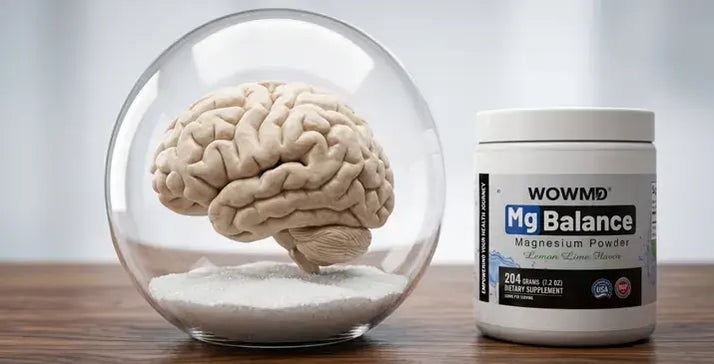
MgBalance Magnesium Powder
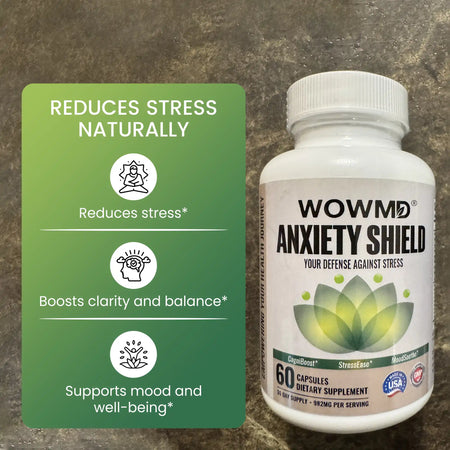
Anxiety Shield
You May Also Like





Popular Stories
- Does Magnesium Lower Blood Pressure?
- The Best Zinc and Magnesium Supplement: What to Look for and Why It Matters
- Magnesium for Hair Growth: What the Science Says and Which Forms Work Best
- The Best Magnesium for Brain Health: What the Science Actually Says
- Magnesium for Asthma: What the Research Says About Breathing Support
- Magnesium for Inflammation: What the Research Actually Says
References
VitaTherx follows strict sourcing guidelines to ensure the accuracy of its content, outlined in our editorial policy. We use only trustworthy sources, including peer-reviewed studies, qualified experts, and information from top institutions.


- Magnesium Status and Stress: The Vicious Circle Concept Revisited https://pmc.ncbi.nlm.nih.gov/articles/PMC7761127/
- NIH Office of Dietary Supplements � Magnesium Fact Sheet for Health Professionals https://ods.od.nih.gov/factsheets/Magnesium-HealthProfessional/
- The relation of magnesium and calcium intakes and a genetic polymorphism in the magnesium transporter to colorectal neoplasia risk https://pmc.ncbi.nlm.nih.gov/articles/PMC2082111/
- The Role of Magnesium in Sleep Health: a Systematic Review of Available Literature https://pubmed.ncbi.nlm.nih.gov/35184264/
- The Mechanisms of Magnesium in Sleep Disorders https://pmc.ncbi.nlm.nih.gov/articles/PMC12535714/
- Calcium Fact Sheet for Health Professionals https://ods.od.nih.gov/factsheets/Calcium/HealthProfessional/
- The Importance of the Circadian System & Sleep for Bone Health https://pmc.ncbi.nlm.nih.gov/articles/PMC5994176/
- StatPearls | Calcium Carbonate https://www.ncbi.nlm.nih.gov/books/NBK562303/
Collagen

Turmeric
NAD+

Hormone Balance
Chaga Mushroom
Berberine
GLP-1
Ashwagandha
Colostrum

Apple Cider Vinegar
Vitamin Gummies
Keto-5
Moringa Pure
BCAA
Whey Protein
Lutein & Bilberry
10 Simple Habits That May Help Improve Your Focus

Aging Well Starts Now: How Metabolic Health Supports Lifelong Mobility

Best Mushrooms for Brain Health

Biotin vs Collagen: Choosing the Right Beauty Support

Bloating, Brain Fog, and Fatigue: When Your Gut Needs a Deeper Reset

Collagen: Benefits, Types, Sources, and How to Use It

Exercising Your Mind for Cognitive Health: Chess Anyone?

Gut Health and Weight Loss: The Connection You Have to Know

The Guide to Gut Health

Gut Health Hacks: What Gut Health Actually Means

Hacks to Debloat, Stat

Nootropic Mushrooms: Unlocking Cognitive Potential

Omega-3 EPA and DHA Explained for Daily Health Support

Probiotics Side Effects: What’s Normal vs a Red Flag

Spring Fever: Myth or Reality? The Truth Might Surprise You

Gut Health Strategies That Support Energy, Digestion, and Balance

The Guide to Supplementation Across Every Decade

Supplements That Help You Study: Boost Your Brainpower

The Best Mushroom Supplements for Brain Health

The Best Pre, Pro, and Postbiotics for Women: A Comprehensive Guide

The Best Probiotic for Gut Inflammation: A Comprehensive Guide
Vitamin B12 for Energy, Nerves, and Daily Vitality

Hydration as the Foundation of Energy, Focus, and Performance

The Skin-Gut Connection: Why Your Breakouts Might Be a Digestive Issue

Things You Can Do Now to Stay Sharp as You Age

Vision Support Through Antioxidants, Nutrients, and Daily Protection
Vitamin D3 and K2 as a Smarter Daily Pairing

What Supplements Help with Focus?

How to Choose Whey, Isolate, or Plant Protein with More Precision
Which Supplements Are Good for Eyesight?

Winter-Proof Your Body: Start These 7 Immunity Hacks Today

Why Your Supplements Should Change Every Season

Your Immune System’s Holiday Checklist

3-Day Detox After Holidays: Revitalize Your Body and Mind

Alpha Energy for Strength, Stamina, and Daily Drive
Backed by Science: 3 Reasons Women in Menopause Should Consider Creati

Benefits of Collagen for Seniors: A Comprehensive Guide
Creatine for Strength Output, Recovery, and Better Training Blocks
Does Creatine Cause Hair Loss? Separating Gym Bro Myths from Science

Electrolyte Imbalance Symptoms and How to Fix Them

Feed Your Curiosity: Why Lifelong Learning Is the New Brain Fitness

Health Tips 2026: Unlocking the Secrets to Optimal Well-being
How to Properly Take Creatine: A Comprehensive Guide

How to Restart Your Wellness Journey After Falling Off

How to Strengthen Hair: Top Tips for Healthier Strands

Improve Your Health in 30 Days: A Comprehensive Guide
Kickstart Your Fitness Journey: Tips for Long-Term Success

Nitric Oxide Support for Pumps, Blood Flow, and Training Capacity

MCT Oil as a Fast-Access Fuel for Energy and Output

The Guide to Men’s Health
The Guide to Metabolic Health

Pre-Workout Supplements for Energy, Focus, and Better Sessions

Strong, Not Small: Building Muscle as the Key to Weight Longevity

The Psychology of New Year Motivation & How to Make It Last Past Janua
The Ultimate Guide to Muscle Supplements: Boost Your Performance

Top Resolutions for 2026: How To Achieve Your Goals This Year
Creatine Beyond the Gym for Daily Output and Recovery
BCAAs for Recovery, Training Stress, and Muscle Support

Workout Supplements for Men Over 40: A Comprehensive Guide

Your Spring Wellness Reset: 6 Small Shifts That Actually Stick

Creative Holiday Recipes Made With Collagen, Creatine & More

6 Better-for-You Grilling Recipes For The 4th Of July

A Beginner’s Guide to Synthetic Food Dyes and Their Health Risks

Daily Ways to Use Collagen Creamer with Purpose

How to Build a Smarter Digestive Reset Routine

Cycle-Syncing 101: The Best Foods for Each Stage of Your Menstrual Cyc

Practical Ways to Use Berberine in a Daily Routine

Dry January Mocktails: 10 Functional Recipes

Feeding the Mind: How Nutrition Shapes Your Emotional Well-Being

Guide to Summer Superfoods Beyond Just Kale

Delicious, Healthy-ish Summer Mocktails

Holiday Survival Guide: Staying Healthy Through the Stress and Sweets

How Spring Affects Your Gut Microbiome (And What to Eat for Gut Health
It’s Not Just About Protein: Why Most Americans Need More Fiber

Maca Root for Daily Rituals, Smoothies, and Wellness Blends

Moringa for Greens Routines and Everyday Wellness

Morning Rituals: Collagen Coffee and Breakfast Ideas to Start the Day

Creatine Smoothies and Breakfast Ideas to Start the Day Right

Protein Powder Breakfast Ideas: Fuel Your Morning with Nutrient-Packed

Seed Oils 101: A No-Nonsense Guide to the Facts, the Fears, and the Al

7 Unhealthy Ingredients to Watch Out for (and What to Buy Instead)

A Daily Beauty Support Routine for Hair, Skin, and Nails

The "Good Enough" Wellness Day: Why Imperfect Habits Beat Perfect Plan

Electrolytes for Daily Hydration, Training, and Recovery

The Mediterranean Kitchen Upgrade: Cook for Longevity

Summer Glow Up: Tips to Make You Feel Great Inside & Out

When and How to Take Liver Support Supplements for Best Results

Whole Food Swaps for a Memorial Day Feast to Feel Good About

Why Your Wellness Routine Isn't Sticking and What to Do Instead

5 Simple Ways to Improve Your Immune System

7 Natural Menopause Treatments That Really Work

Berberine for Metabolic Health and Longevity Support

Best Liver Supplements? What Milk Thistle, NAC & Dandelion Root Actual

Best Vitamins for Mental Health: A Comprehensive Guide

Can Magnesium Really Help With Cramps, Headaches & Mood Swings?

The Guide to Cognitive Functions

Collagen Peptides Backed by Structure, Recovery, and Research

Debunking the Hype: What Lymphatic Drainage Can Actually Do

Digestive Enzymes for Better Breakdown and Nutrient Use

Digital Detox for Beginners: 7-Day Plan for a Clearer Mind

Do Cold Showers Really Boost Testosterone?

Does NAD Really Work? Unpacking the Science Behind This Popular Supple

Doomscrolling Got You Down? How to Protect Your Brain in the Digital A

Essential Daily Vitamins for Men: What You Should Take

Find Your Calm: Simple Exercises That Nurture Your Mental Wellness

Gut–Brain Axis Explained: How Digestion Affects Mood

The Guide to Hair and Skin Health

Hormones, Stress, and Genetics: The Big 3 Drivers of Hair Loss

How Can I Sleep Better? Unlocking the Secrets to Restful Nights

How Stress Impacts Digestion, Sleep, and Nutrient Absorption

How to Boost Testosterone Naturally

How to Sleep with Hot Flashes: A Comprehensive Guide

The Guide to Immune Health

Is It Your Thyroid—or Just Burnout? How to Tell the Difference and Wha

Key Vitamins and Minerals for Men's Vitality

Magnesium: The Sleep + Stress Mineral Most are Missing

Relieve Menopause Itchy Skin with These Tips
Menopause Without HRT: Navigating the Transition Naturally

Functional Mushroom Extracts with Modern Research Behind Them

NAC Through the Lens of Resilience, Recovery, and Modern Wellness

NAD+ vs. NMN vs. NR: What’s the Difference and Which Should You Take?

Signs Your Liver May Need Support (And What To Do About It)
The Guide to Sleep and Recovery

The Guide to Stress Regulation

Summer Hair Loss Is Real (And Here’s What to Do About It)

Supplements That Lower Cortisol: What Works and What Doesn’t

Supplements to Help with Stress: A Comprehensive Guide

Over 50? Here's 7 Essential Vitamins and Minerals For You

Testosterone After 40: What's Normal, What's Low, and When Supplements

How to Tackle Cortisol Belly

The Art of Doing Nothing: 7 Slow Summer Activities That Boost Your Hea

How the Change in Season Affects Your Sleep

The Chemistry of Happiness: What’s Really Happening in Your Brain?
The Guide to Liver Health

Turmeric from Traditional Use to Modern Wellness Credibility

The Holistic Approach to Menopause: Embracing Change with Balance

The Role of Zinc, Vitamin D3, and Boron in Male Hormone Health
Methylene Blue as an Advanced Wellness and Energy Story

Unlocking the Benefits of NR Powder: A Comprehensive Guide

How to Use Energy and Focus Vitamins

The Guide to Women’s Hormones
- Choosing a selection results in a full page refresh.
- Opens in a new window.
Refer a friend
Get $15 Off